
What Four Days of Silence Taught Me About Rest, Recovery, and Professional Performance
Jul 24, 2026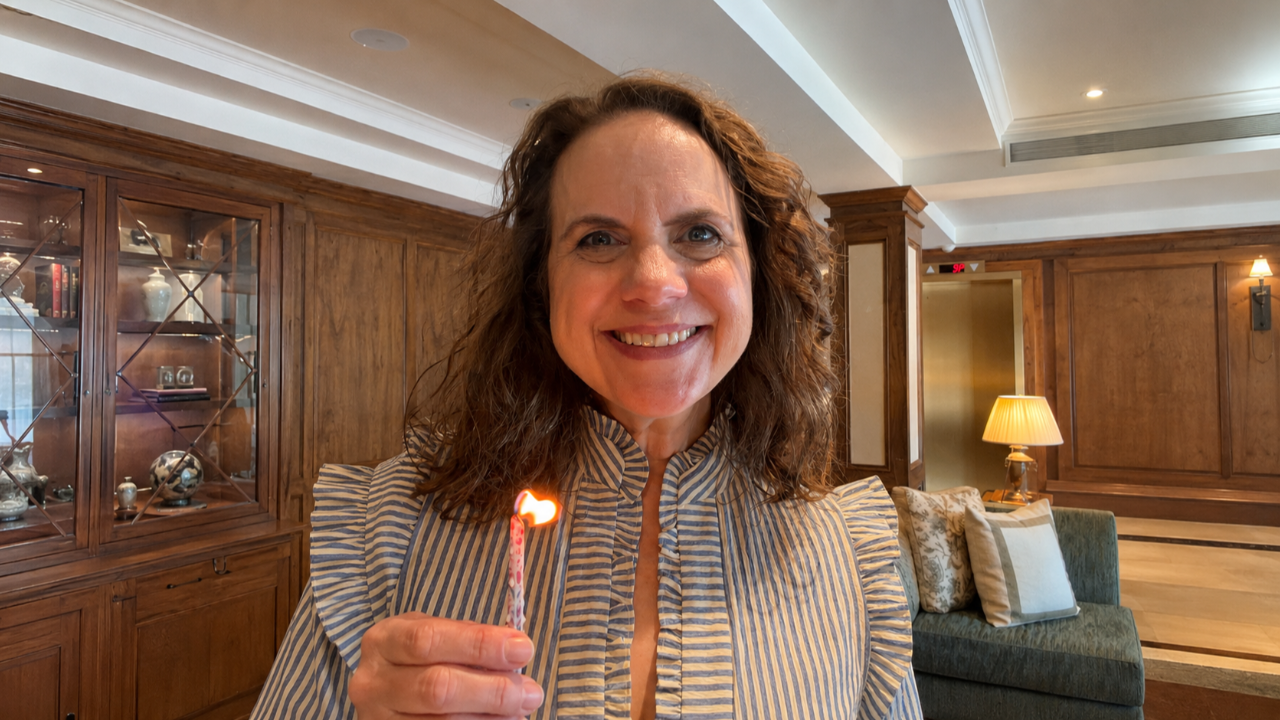
I turned 50 last week. I almost didn’t celebrate it.
For months, I’d been meaning to plan something meaningful. For months, it kept getting pushed aside. Too busy with client work. Too many presentations. Too much on the calendar.
Then I heard myself say:
“I’m too busy to plan something for myself.”
I recognized that sentence immediately because I hear it from legal professionals in almost every engagement I do.
So I booked three nights at Kohler Spa in Wisconsin. I left the morning of my birthday with a bag, a journal, and a plan to do as little as possible.
What I Did (and Didn’t Do)
I practiced “vocal rest,” which is what we call it in the choral world. As a speaker, my voice is one of my most important professional tools, but resting it does more than protect it physically. It creates space. When you stop talking, you start noticing things you’ve been too busy to hear.
I journaled. I walked. I treated myself to spa treatments. I went to bed early and slept in late. I ate meals slowly without looking at my phone.
I left my laptop in the car. Not at home. In the car. I know myself well enough to know that if it was in my hotel room, I would have opened it. Having it nearby for emergencies but physically out of reach was the boundary I needed.
By the second day, the constant mental hum of tasks and deadlines started to quiet. By the third day, I was having ideas I hadn’t had in months.
Not because I was trying to be creative. Because my brain finally had the space to do what it does when you stop demanding things from it.
Why This Works
During real cognitive disengagement, your brain does essential maintenance that it can’t do while you’re actively processing information. It:
- Consolidates learning and strengthens neural connections
- Clears metabolic byproducts from sustained mental effort
- Processes emotional experiences that have been waiting for space
Research published in Psychology Today found that even 5 to 10 minutes of cognitive disengagement restores energy and focus. Extended periods of rest allow for deeper restoration that short breaks can’t provide.
Your prefrontal cortex, which handles your most demanding analytical work and emotional regulation, requires this kind of recovery to sustain performance over time.
Self-Compassion as a Professional Skill
Saturday, July 18 was Self-Compassion Day, which I spent in the middle of my retreat.
Self-compassion gets a bad reputation in high-performance cultures. It sounds soft. In legal culture especially, where toughness and self-sufficiency are prized, being compassionate toward yourself can feel like the opposite of what got you here.
The research says otherwise. Self-compassion is associated with greater emotional resilience, better stress recovery, and more sustained motivation over time. People who practice it don’t achieve less. They achieve more sustainably.
Taking four days for myself was one of the most professionally responsible things I’ve done this year. I came back thinking more clearly, feeling more energized, and showing up better for the people and work that matter most.
The Red Flag Worth Listening To
If you hear yourself saying “I’m too busy to take care of myself,” that’s not a scheduling problem. It means the thing you’re too busy for is probably the thing you need most.
You don’t need four days at a spa (though I highly recommend it). You need whatever version of “stop and let your brain recover” works for your life:
- An evening without email
- A Saturday morning with no agenda
- A walk where your phone stays in your desk drawer
When was the last time you gave yourself permission to rest without earning it first?
Every week, I explore ideas like this in the EsquireWell Weekly — practical reflections on well-being, emotional intelligence, and showing up with more clarity in demanding work. It’s free, it’s personal, and subscribers tell me it’s the one newsletter they actually look forward to.