Emotional Intelligence Shows Up In How We Recognize Others
Feb 13, 2026
There have been moments throughout my career when I didn’t feel particularly valued for my work.
Not because the work wasn’t acknowledged, because it often was.
But the way that acknowledgment showed up didn’t quite connect.
Sometimes recognition came publicly when what I really needed was clarity or follow-through. Other times, appreciation was implied rather than named, when a simple, direct acknowledgment would have mattered more.
And if I’m honest, there were also times when I was leading others and offering appreciation in the ways that made sense to me, without ever pausing to ask how it would actually be experienced.
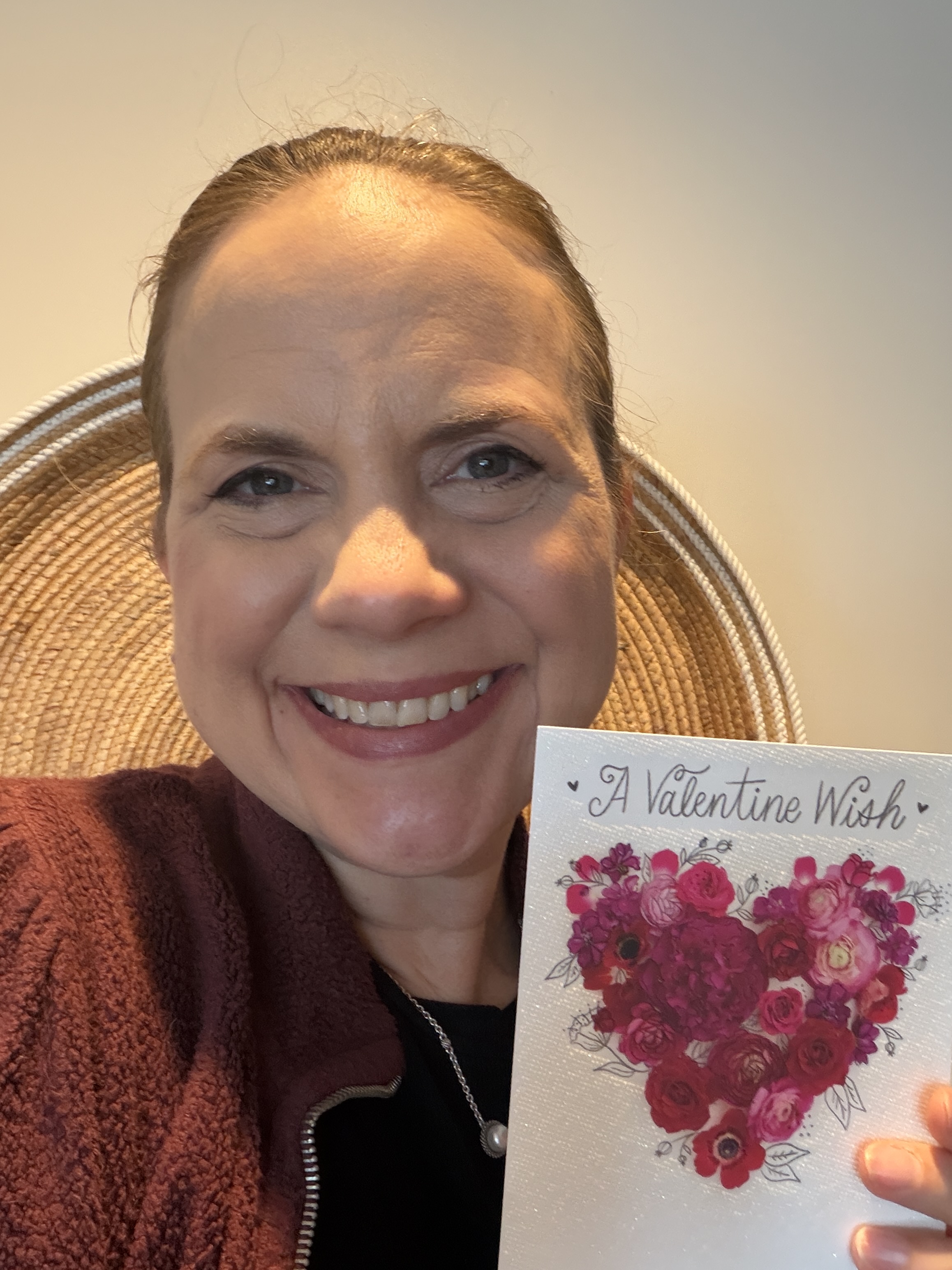
Those experiences stayed with me. They’ve shaped how I think about value, showing up professionally, and emotional intelligence, especially in the legal profession.
This time of year, conversations about appreciation and connection are everywhere. Many people are familiar with the concept of “love languages,” which suggests that people receive care, appreciation, and attention in different ways.
While that concept is often discussed in personal relationships, the underlying insight is just as relevant at work: people feel seen, supported, and respected in different ways.
And noticing that, especially in demanding professional environments, is a core emotional intelligence skill.
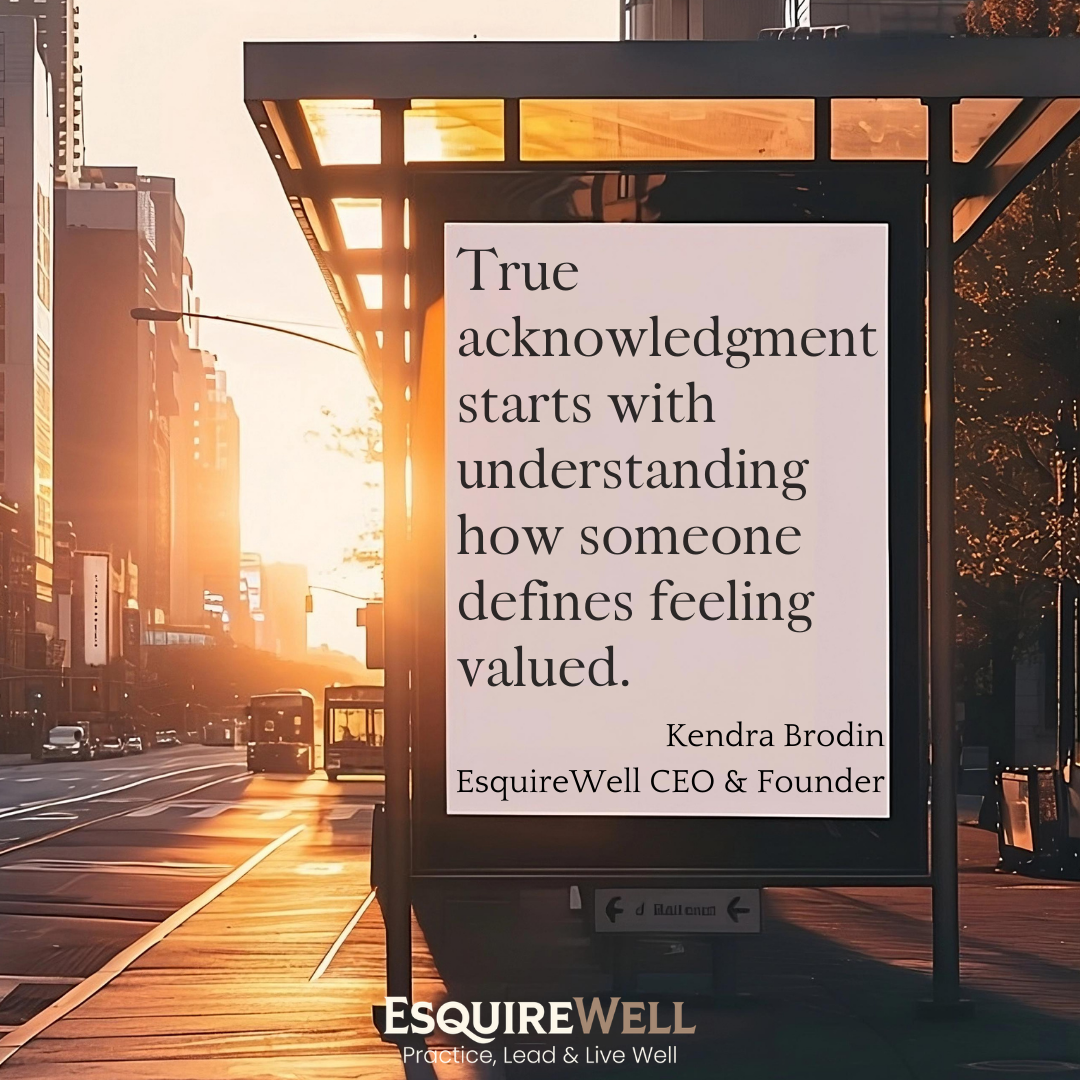
True acknowledgment starts with understanding how someone defines feeling valued.
Valuing People Is an Emotional Intelligence Skill
In the legal profession, appreciation is often assumed rather than expressed. We work hard. We deliver. We move on to the next thing.
Recognition, care, and acknowledgment are often treated as extras. They’re nice if there’s time, but not essential.
In reality, they’re foundational.
Emotional intelligence isn’t about being warm or sentimental at work. It’s about accurately reading people and responding in ways that support clarity, trust, and performance.
One of the most practical expressions of EQ is recognizing that what helps one person feel respected, supported, or seen may not resonate with someone else.
This isn’t about labeling people or putting them into categories. It’s about awareness.
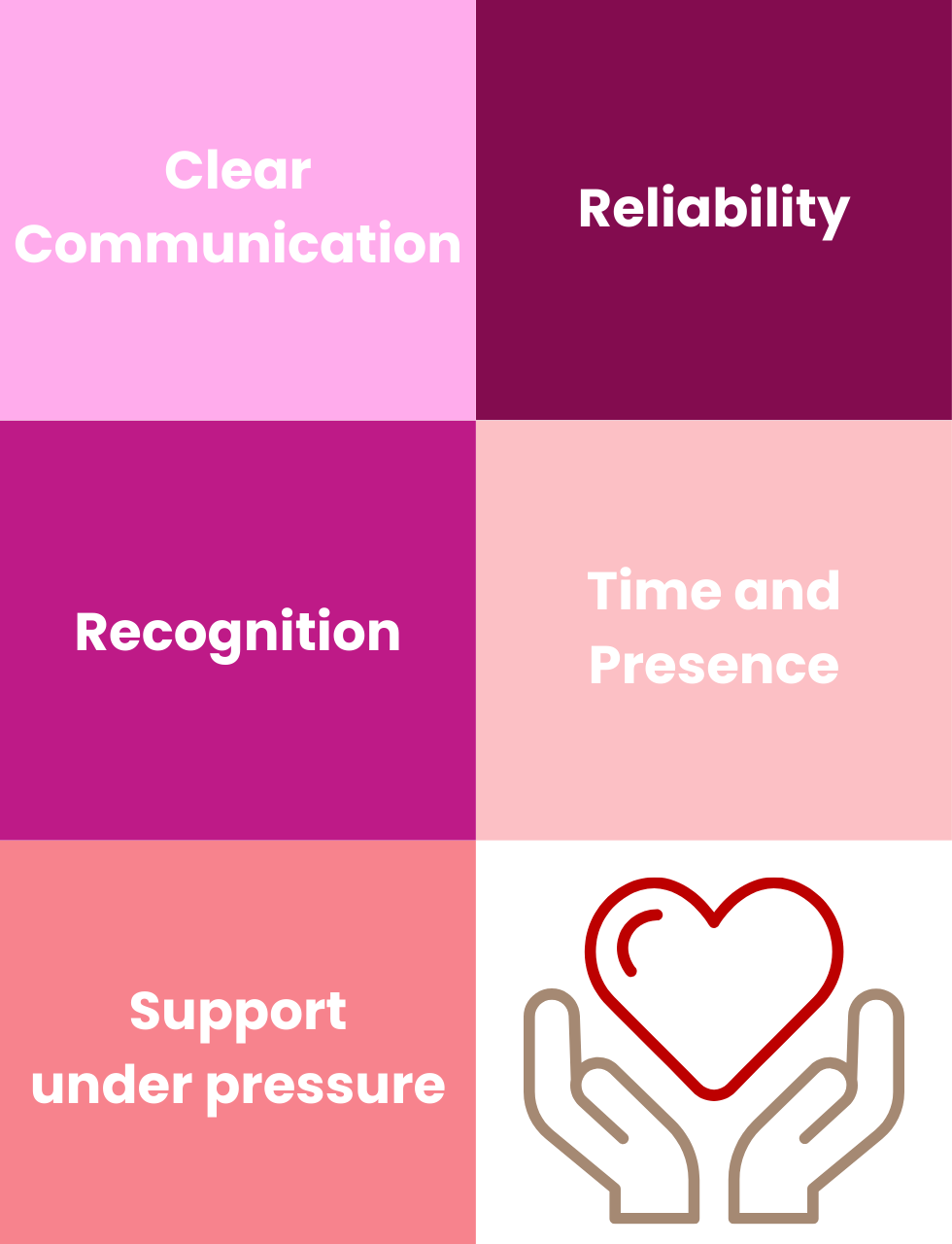
Over time, you can often notice what matters most to the people you work with and how they best receive appreciation. For example:
- Recognition: Some people feel most valued when their contributions are clearly named, privately or publicly.
- Reliability: Others experience care through follow-through, consistency, and knowing they can count on you.
- Clear communication: For some, clarity itself is a sign of respect; ambiguity creates unnecessary stress.
- Time and presence: Being fully present, even briefly, can matter more than extended check-ins.
- Support under pressure: Stepping in during high-stress moments can communicate trust and solidarity more than words.
None of these is better or worse. They’re simply different ways people experience being seen.
Why This Matters at Work
In high-pressure professional environments, people are often running close to (or beyond) capacity. When they don’t feel valued in ways that matter to them, it quietly erodes trust, engagement, and focus.
When they do feel valued, it’s stabilizing.
From a professional standpoint, this kind of awareness:
- strengthens working relationships
- reduces friction and misunderstanding
- builds psychological safety
- supports clearer judgment and collaboration
From a well-being perspective, it helps people conserve energy rather than spend it deciphering intent or managing avoidable stress.
This isn’t about lowering expectations or avoiding accountability. In fact, it often makes accountability easier. When people feel respected and valued as individuals, feedback is received more openly. Conversations become more direct. Repair happens faster.
A Small Practice With Real Impact
You don’t need to overhaul how you work to put this into practice. Start small.
Notice how the people around you respond when:
- you acknowledge their work
- you follow through
- you communicate clearly
- you offer support during a hard moment
- you give them your full attention, even briefly
Over time, those observations naturally shape how you lead, collaborate, and practice.
As you move through this week, here’s a simple question to sit with:
How do the people I work with feel most valued, and how often do I meet them there?
Sometimes it starts with noticing what matters and responding with intention, like a Valentine’s gift you give all year! 🤍
Recommended Resources
[Article] The Little Things That Make Employees Feel Appreciated | Harvard Business Review
[Video] The Five Love Languages - Why They Matter in the Workplace | Real Talk at Work
[Article] The Power of Feeling Seen: Why Workplace Appreciation Is The Key To Excellence | Forbes
[Resource] The Languages of Appreciation Quiz | Jon Colby
[Article] Understanding the 5 Languages of Appreciation and Putting Them Into Practice | Great Place to Work